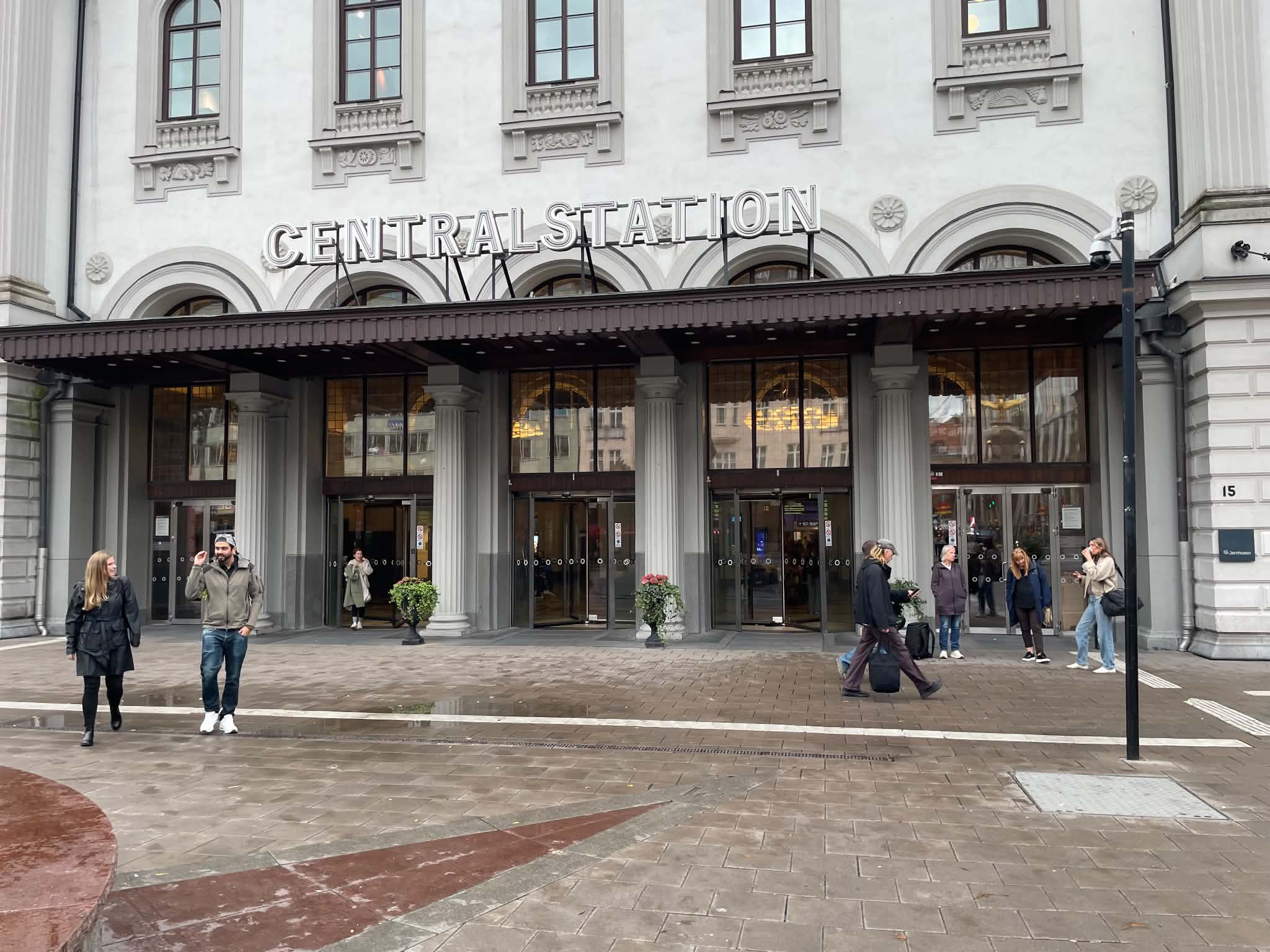
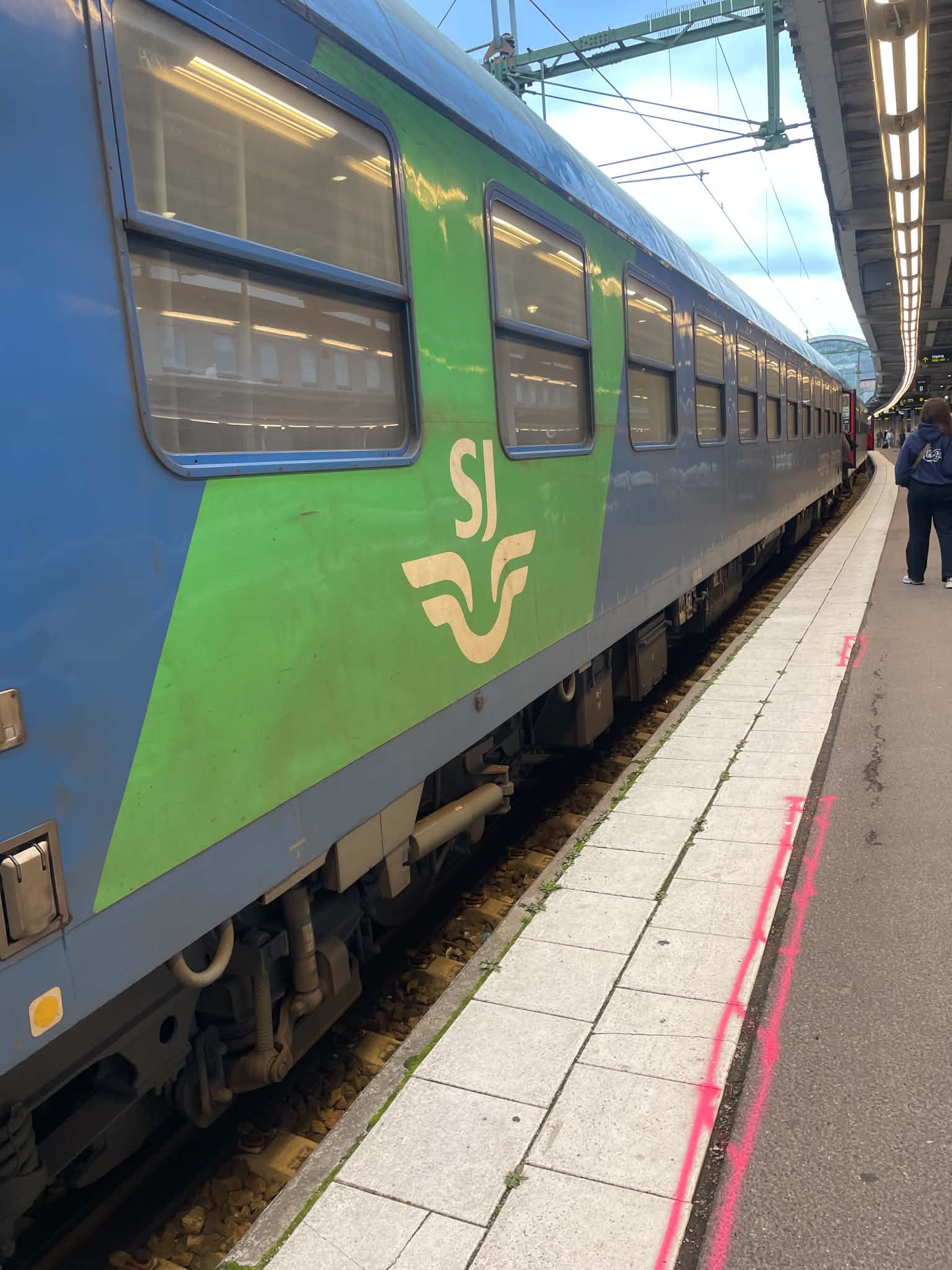
On 26 September 2026, I boarded my first night train at Stockholm Central. It was also the first leg of an adventure that could last up to three months. I was mostly excited: this was a completely new way of travelling for me, and getting on the train made the whole trip feel real.
The service had only recently changed from SJ EuroNight to RDC EuroNight. RDC took over the route on 1 September 2026, so this was still a very new chapter for the Stockholm–Hamburg night train.
Stockholm to Hamburg night train at a glance
- Route: Stockholm Central to Hamburg Hauptbahnhof.
- Travel date: 26–27 September 2026.
- Scheduled time: 17:10 departure and 08:10 arrival.
- Actual arrival: 09:28, which was 78 minutes late.
- Total journey time: 16 hours and 18 minutes.
- Accommodation: Top berth in a six-person couchette, coach 22, berth 76.
- Interrail reservation: €37 on top of my pass.
- Sleep: About eight hours; I would rate it 7.5 out of 10.
Starting at Stockholm Central
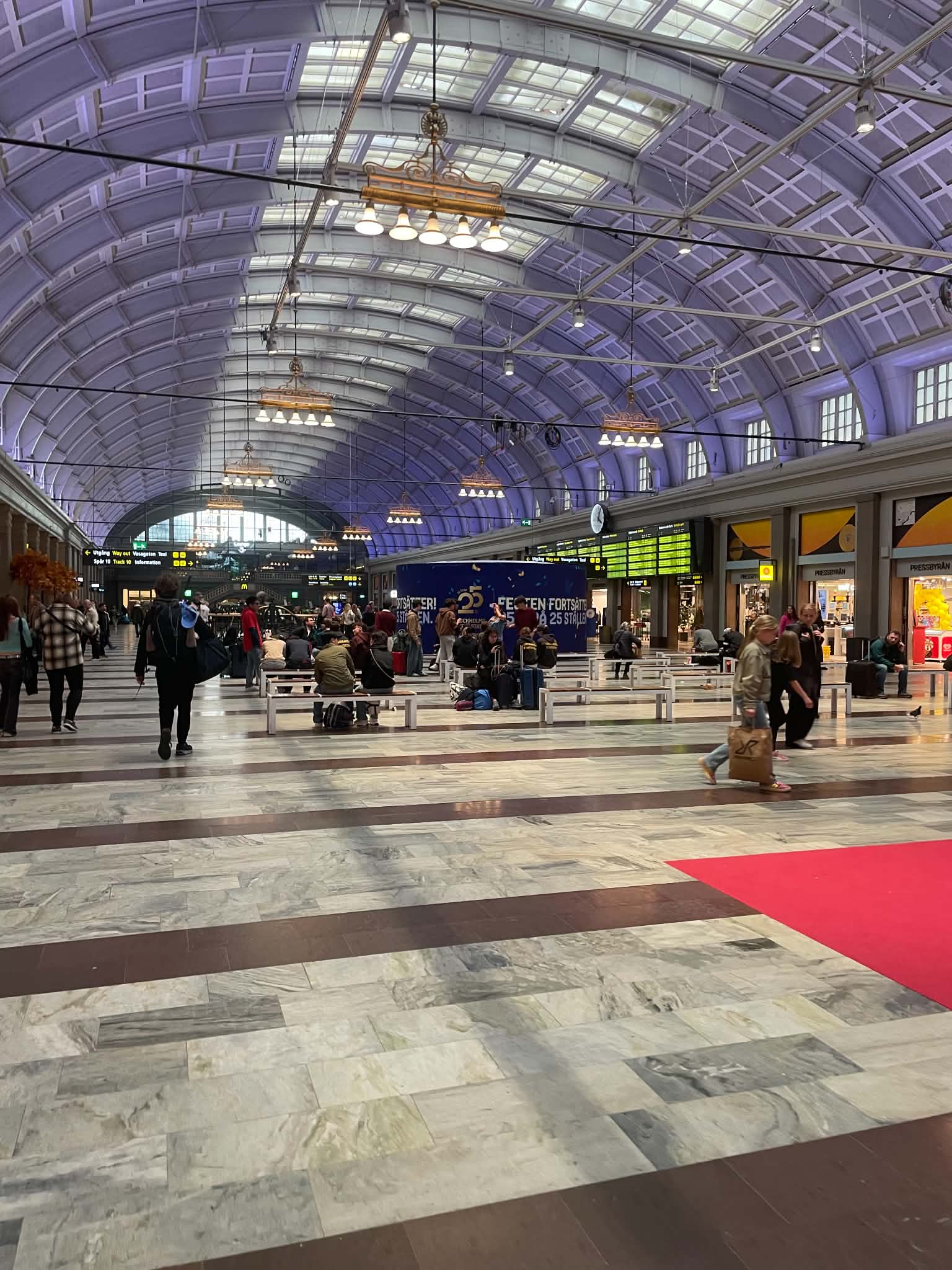
I arrived at Stockholm Central about an hour before departure. I wanted enough time to take photos and buy something for the journey, without starting the trip by rushing through the station. Finding the train, coach, and berth was straightforward.
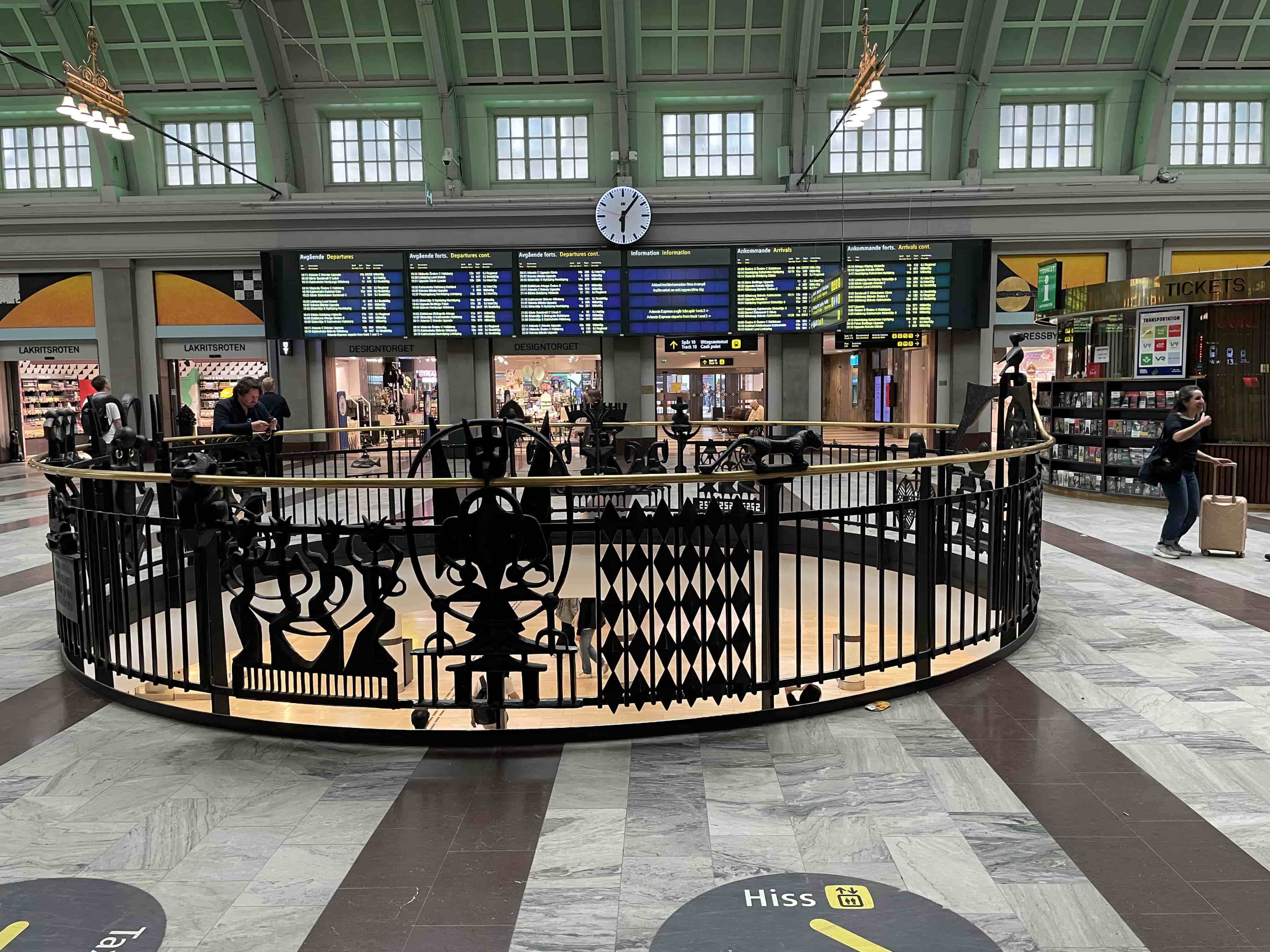
Under the circular landmark known as Spottkoppen, I bought water, a sandwich, and a salad. In hindsight I may have prepared more food than I needed, but after seeing how limited the onboard options could be, I was glad not to depend on the bistro.
How I booked the RDC EuroNight and what it cost
I booked online only three days before departure. My couchette was assigned automatically, and the ticket arrived as a PDF by email. The process worked as I expected and I did not run into any booking problems.
My reservation cost €37 because I was travelling with a three-month continuous Interrail Pass. I bought that pass in a 50% sale for €358; the standard price shown at the time of writing was €717. Without Interrail, the ordinary ticket price I saw for this journey was about €170.
The direct overnight journey was recorded on its departure date, so arriving after midnight did not require a second travel day. With a continuous pass I could travel every day during its validity anyway, but this rule is especially valuable for travellers using a limited-day Flexi Pass. Boarding another train after midnight can require another travel day.
RDC says Interrail passes are accepted on this service, but a reservation is still required. Current tickets and Interrail reservations are available through Nachtexpress. Check the live booking page for your own date rather than relying on my fare or timetable.
What the six-person couchette was really like
The compartment was tiny. Six seats became six berths for the night, with the backrests forming part of the sleeping setup. My place was the top berth, reached by a ladder. A pillow, sheet, and blanket were included, but there was no water or breakfast.
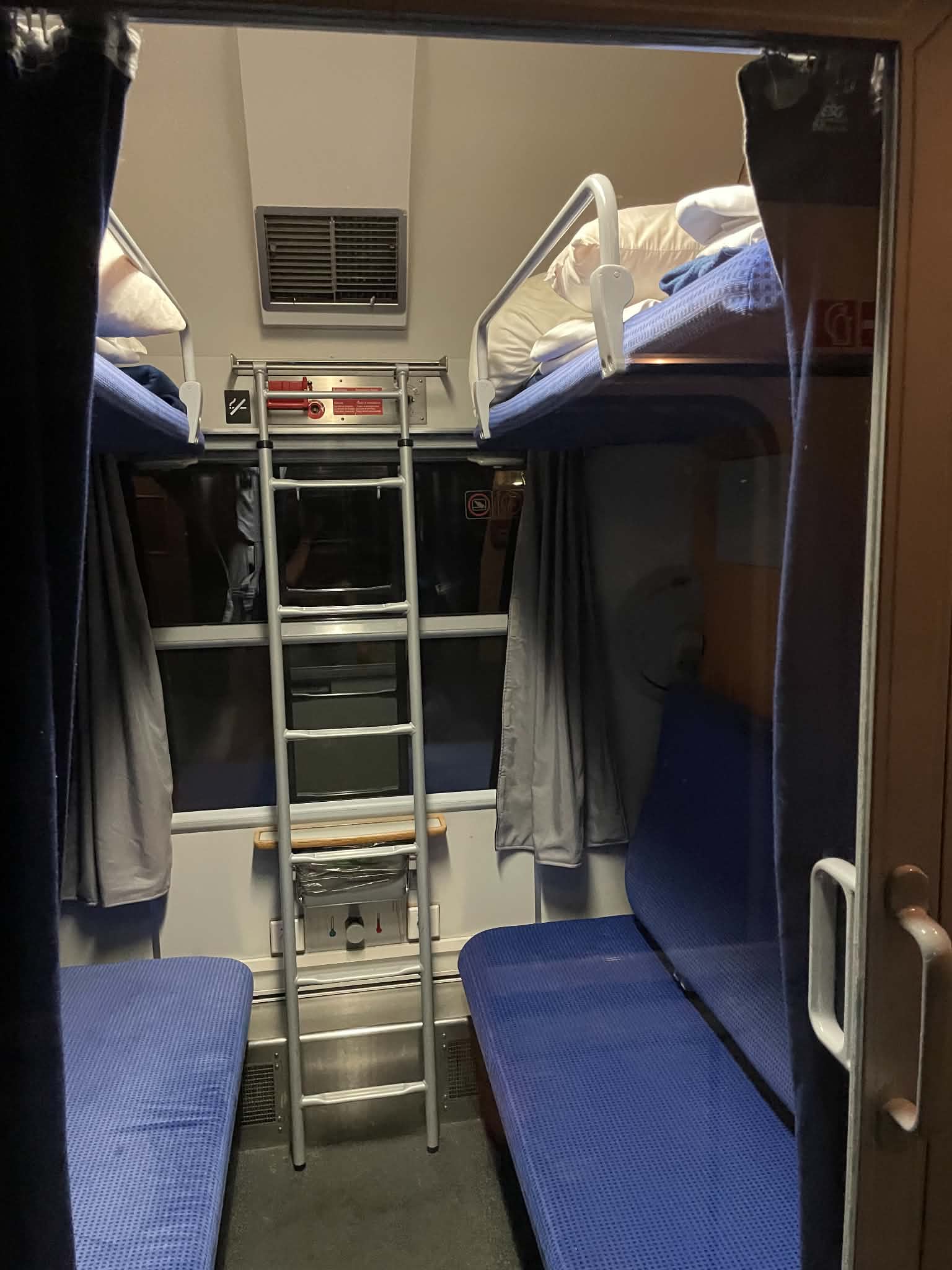
- The compartment door could be locked.
- Luggage fitted beneath the lower berths and on a shelf above the entrance, which was easiest to reach from the upper berths.
- Power sockets were available, although I could not reach one conveniently from my top berth.
- There was no Wi-Fi on my journey.
- A small air-conditioning vent let us change the direction of the airflow, but not the temperature. The compartment stayed warm.
- The toilets were basic, and there was a separate tiny wash space with a sink for brushing teeth.
Sharing such a small space with strangers felt slightly strange at first. My compartment included travellers from Slovenia, Australia-Switzerland, and Sweden. After a few hours together—and especially after the delay—the room became social. By bedtime, it no longer felt odd to be sleeping in the same compartment.
“You have nothing else to do, so why not get to know some new people? I left the train with two new Instagram contacts.”
The two-hour stop and late arrival
At around 19:44, the train stopped because of technical problems. We remained stationary for roughly two hours. Updates came through the onboard announcements, but the reason was never explained clearly, so I am not going to speculate about what happened.
The train was scheduled to arrive at Hamburg Hauptbahnhof at 08:10. We arrived at 09:28, 78 minutes late. The only compensation I received was a free coffee the following morning.
Food and the onboard bistro
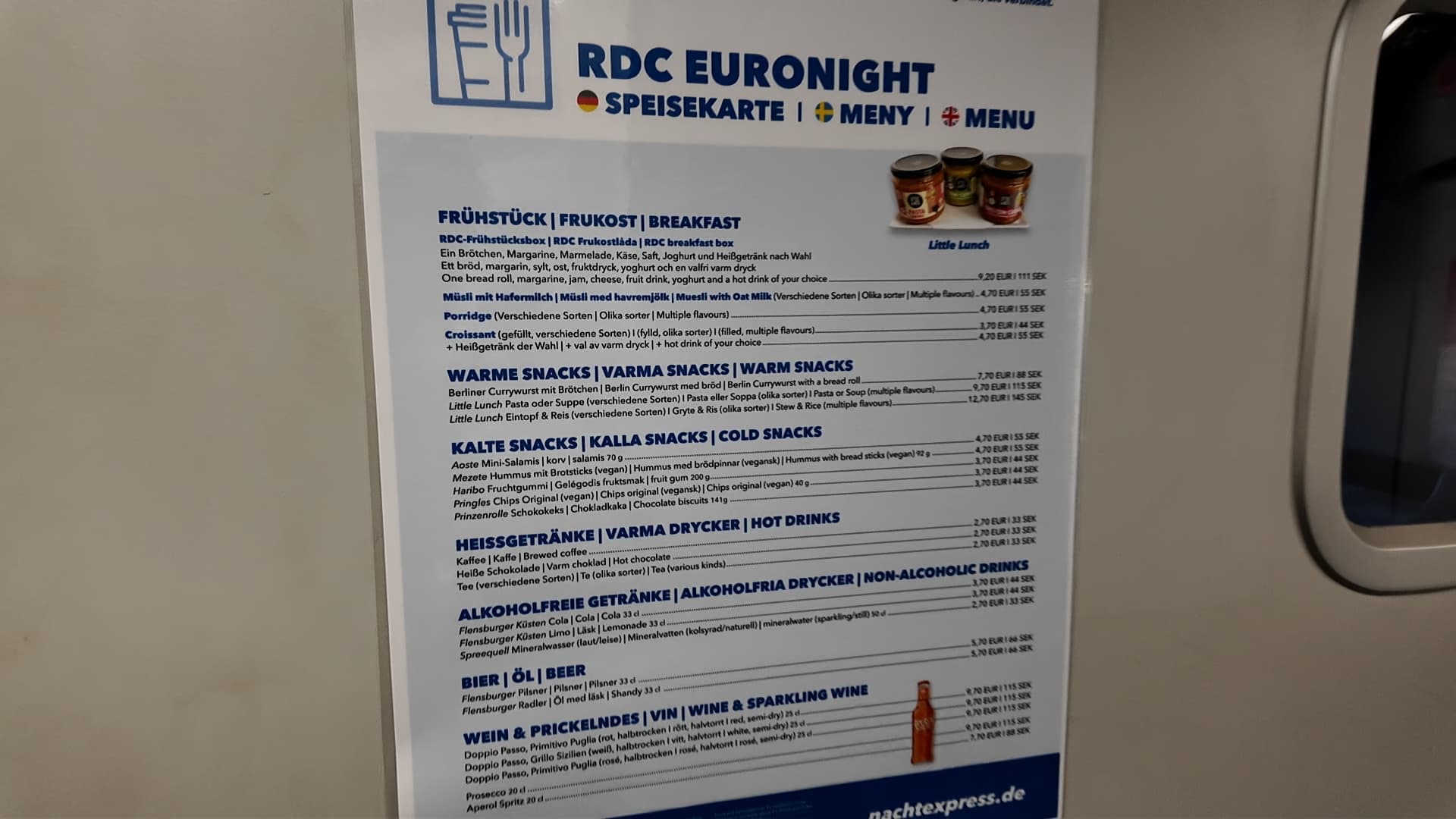
The most memorable bistro item I saw was currywurst in a can. After the delay there was a queue, but by the time I returned the food section had closed. I tried again in the morning, but we were already approaching Hamburg and there was no time to order. Bringing my own food turned out to be useful, even if my sandwich and salad were probably more than I needed.
Could I actually sleep on the night train?
This was my biggest surprise: I slept for around eight hours and would score the sleep 7.5 out of 10. The berth was firm, the carriage moved and made noise, the compartment was warm, and people in the neighbouring cabin could be heard—but I still slept much better than expected.
Good earplugs and a sleep mask made a big difference. I also turned the air vent toward my side of the compartment. My phone died during the night because the charging cable did not reach the socket from the top berth. A longer cable might have fixed that, but next time I would bring a power bank.
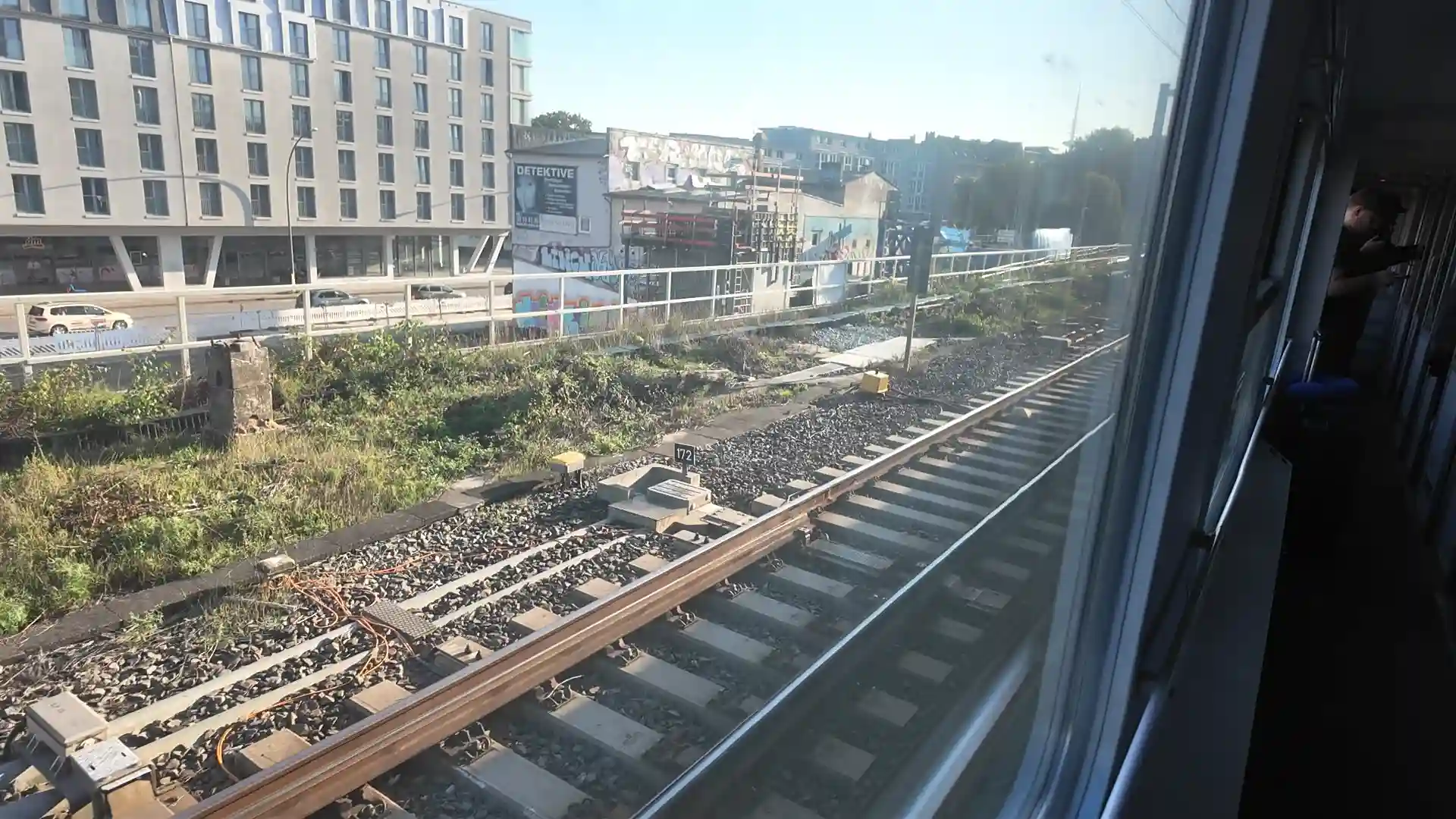
When I woke up, the train was already in Germany. Watching the morning landscape through the window was a much gentler arrival than getting off a flight.
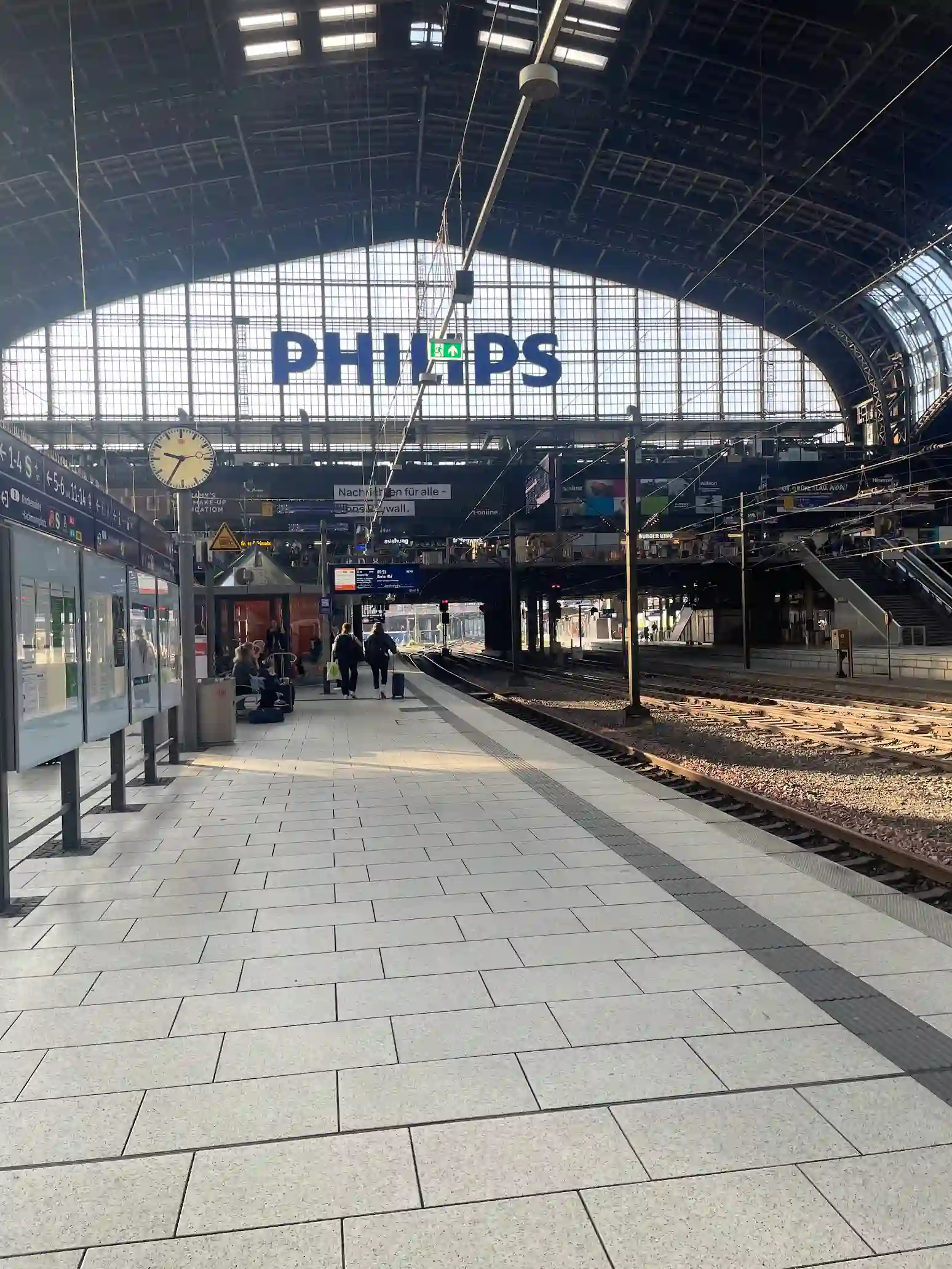
Still, after more than 16 hours onboard, my first thought in Hamburg was that it felt good to get out, find my hostel, and put down my large backpack.
My tips for the Stockholm–Hamburg night train
- Bring water and some food. The bistro may be useful, but I would not rely on being able to buy a full meal exactly when I wanted one.
- Pack earplugs and a sleep mask. They were the main reason I could sleep well despite the noise and light.
- Carry a power bank or long charging cable. A socket is not very helpful if it is out of reach from your berth.
- Keep nighttime essentials accessible. Take out your charger, water, toothbrush, and sleep gear before storing a large backpack and climbing into the top berth.
- Talk to the people in your compartment. The shared space became far more comfortable once we started socialising.
- Check current times and prices. My ticket, reservation price, and experience describe one journey in September 2026—not a guarantee for every departure.
Was the Stockholm to Hamburg night train worth it?
For me, yes—but mostly because the journey itself was part of the experience. Travelling very long distances across Europe by train can take too much time and sometimes cost more than flying. I would not pretend the train wins every comparison.
What I liked was travelling through the night, avoiding the airport and security process, and leaving and arriving in the middle of each city. A sleeper also combines transport with a night of accommodation. Those advantages made this route feel convenient even though it took more than 16 hours.
To keep the price down, I would probably book the six-person couchette again. If money were not a concern, I would choose a private sleeper next time. Either way, I would take another night train: it felt unusual, social, and like a proper start to the journey.
This was only the first ride of the trip. Follow My 3-Month Interrail Journey Across Europe for the next journeys, or start planning your own route with Railey.